
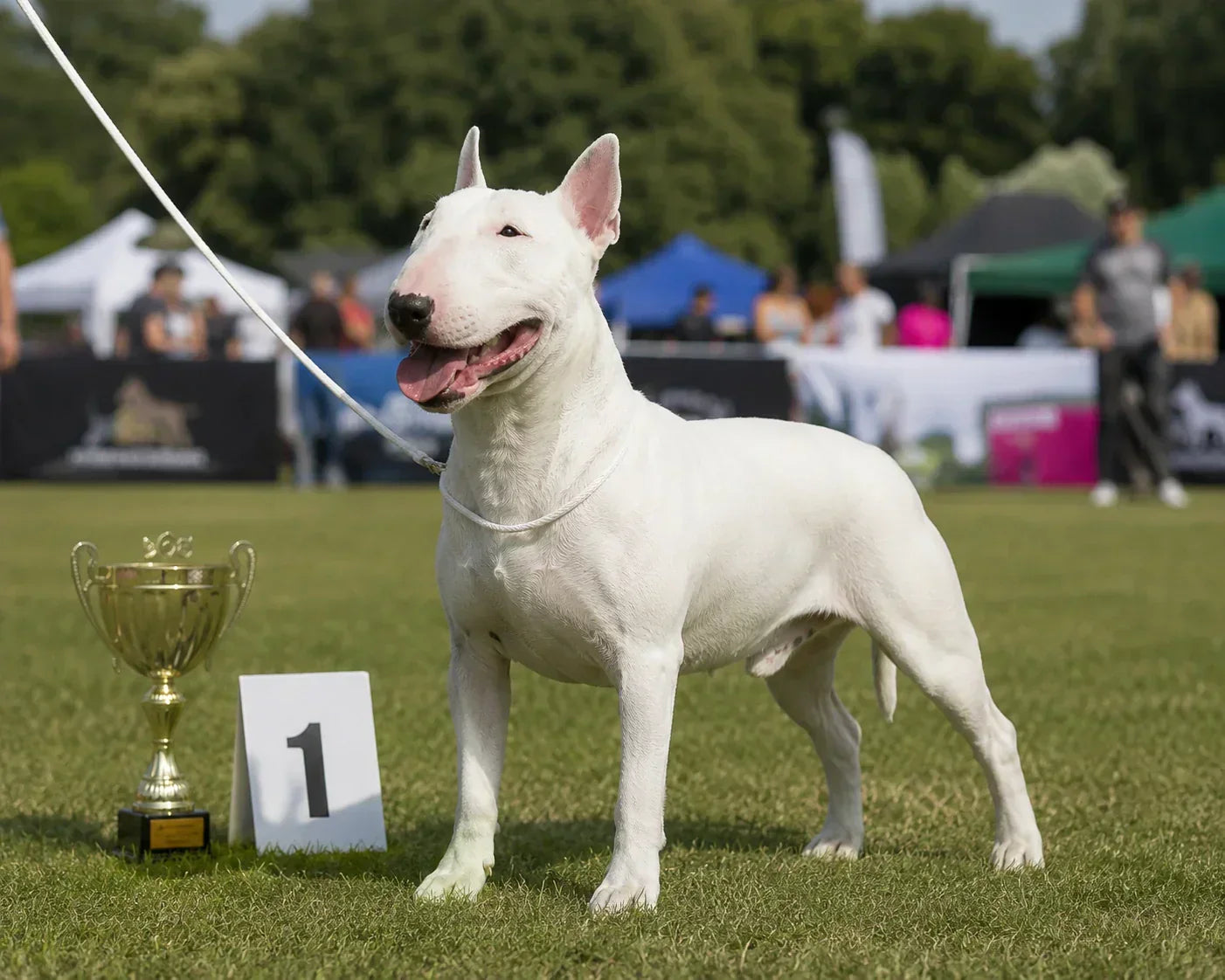
Dog Competitions in the UK: How to Prepare, What to Expect and What to Bring
From the focused atmosphere of the show ring to the excitement of an agility course, dog competitions celebrate far more than performance. They showcase training, confidence and the remarkable partnership between dogs and their handlers.
Across the UK, owners take part in a wide range of canine events, from local breed shows and obedience trials to agility, scent work and working-dog competitions.
Whether you are preparing for your first event or looking to improve your competition routine, thoughtful preparation can make the experience safer, calmer and more enjoyable for both you and your dog.
What Are Dog Competitions?
Dog competitions are organised events in which dogs are assessed according to the rules of a particular discipline.
Some events focus on appearance and breed standards, while others test movement, obedience, speed, scent ability, endurance or problem-solving skills.
Popular types of dog competitions include:
-
Conformation dog shows
-
Agility competitions
-
Obedience trials
-
Rally obedience
-
Flyball
-
Scent-work events
-
Field and working trials
-
Canicross and other canine sports
Each activity requires a different combination of physical ability, concentration and communication between dog and handler.
The most suitable discipline for your dog will depend on factors such as breed, age, health, personality and previous training experience. The activity should be enjoyable and appropriate for your dog rather than chosen only for competitive results.
Conformation Dog Shows
Conformation shows are among the best-known dog competitions in the UK. Dogs are assessed against the official standard for their breed, with judges considering structure, movement, condition, temperament and overall presentation.
A judge may examine:
-
Body proportions and balance
-
Movement and posture
-
Coat and general condition
-
Head shape and expression
-
Temperament
-
Overall breed characteristics
A conformation show is not simply a beauty contest. Its purpose is to assess how closely each dog represents the recognised characteristics of its breed.
Presentation also plays an important role. Dogs should be comfortable standing calmly, moving around the ring and being handled by a judge.
These skills should be introduced gradually and positively. Regular practice in different environments can help a dog feel more relaxed when surrounded by unfamiliar people, dogs, sounds and smells.
Agility Competitions
Agility is one of the most energetic canine sports. Dogs complete an obstacle course that may include jumps, tunnels, weave poles, seesaws and elevated walkways.
The handler guides the dog using verbal cues, movement and body language. Speed is important, but accuracy, control and communication matter just as much.
Agility training can support:
-
Fitness and coordination
-
Mental stimulation
-
Focus and responsiveness
-
Confidence
-
Communication between dog and handler
Training should always begin slowly. Dogs need time to understand each obstacle and learn safe movement before attempting a complete course.
Practising with suitable agility equipment at home or in a secure outdoor space can help introduce basic obstacles in a familiar environment. Sessions should remain short, positive and appropriate for the dog’s experience.
Age and physical condition must also be considered. Puppies and young dogs should not be pushed into demanding jumping exercises before their bodies are ready. Older dogs or dogs with mobility limitations may benefit from slower, lower-impact activities.
Consult a veterinary professional before beginning a demanding new activity if you have concerns about your dog’s health or fitness.
Obedience and Rally Competitions
Obedience competitions test how accurately and consistently a dog responds to its handler.
Exercises may include:
-
Heelwork
-
Recall
-
Stays
-
Position changes
-
Retrieving objects
-
Controlled movement around distractions
Rally obedience offers a more interactive format. The dog and handler move through a course marked with signs, completing a different exercise at each station.
These disciplines reward concentration, precision and teamwork. They can be particularly suitable for dogs that enjoy structured learning and close interaction with their owners.
Training does not need to involve long sessions. Several short and enjoyable exercises throughout the week can often be more effective than a single extended session.
Scent Work and Tracking
Dogs experience much of the world through scent, and scent-work competitions allow them to use this natural ability in a focused way.
During a scent-work event, a dog may be asked to locate a specific odour hidden in boxes, rooms, vehicles or outdoor areas.
Tracking events involve following a trail across open ground, woodland or fields.
These activities can be mentally demanding without requiring the same level of physical intensity as agility, flyball or canicross.
Scent-based activities may suit dogs that are less comfortable in noisy, crowded environments. They can also provide valuable enrichment for dogs that naturally enjoy exploring with their noses.
The Benefits of Dog Competitions
When training is positive and appropriate for the individual dog, competitions and canine sports can offer many benefits.
Physical Exercise
Activities such as agility, flyball and canicross provide structured opportunities for movement, fitness and coordination.
Exercise should always be adjusted to the dog’s age, breed, health and physical condition.
Mental Stimulation
Learning routines, solving scent challenges and responding to commands can help keep a dog mentally active.
Mental exercise can be just as valuable as physical activity, particularly for intelligent and highly motivated dogs.
Better Communication
Competition training encourages handlers to pay closer attention to their dog’s body language, focus and emotional state.
Over time, owners may become better at recognising when their dog is confident, distracted, tired or uncomfortable.
Greater Confidence
Gradual exposure to new environments can help some dogs become more comfortable around unfamiliar places, people and dogs.
This process should never be rushed. Confidence develops through positive experiences rather than forced exposure.
A Stronger Bond
Training towards a shared goal can strengthen trust and cooperation between dog and handler.
A successful competition day is not only about winning. It is also about whether the dog feels secure, engaged and comfortable.
How to Prepare Your Dog for a Competition
Preparation should begin well before competition day.
Start with reliable basic obedience and short, enjoyable training sessions. Reward calm behaviour and avoid excessive repetition.
It is also helpful to introduce your dog gradually to:
-
New locations
-
Other dogs
-
Background noise
-
Crowds
-
Different walking surfaces
-
Car travel
-
Waiting calmly
-
Resting in a crate or secure pen
-
Being examined or handled
Training classes can be especially useful for first-time competitors. An experienced trainer can explain the rules, identify areas for improvement and help you avoid common mistakes.
Practise in different environments rather than training only at home. Dogs often respond differently when surrounded by unfamiliar sounds, smells and distractions.
Rest is also an important part of preparation. Avoid intense training immediately before an event and make sure your dog has a quiet, comfortable place to recover between sessions.
Creating a Calm Resting Space
Competition days often involve long periods of waiting between activities. A secure and comfortable resting area can help your dog settle away from the busiest parts of the venue.
Depending on the event and its rules, this may include:
-
A correctly sized travel crate
-
A secure portable pen
-
A comfortable dog bed or crate cushion
-
A familiar blanket
-
A crate cover that maintains safe airflow
-
Water and a suitable bowl
Crate training should begin at home, well before the event. A crate should never be introduced for the first time on competition day.
Build positive associations by allowing your dog to enter voluntarily and rewarding calm behaviour. The crate should be large enough for the dog to stand, turn around and lie down comfortably.
Never use a crate as a punishment. It should function as a familiar and secure resting space.
Choosing the Right Equipment
Reliable equipment is essential for comfort, organisation and safety.
The exact items you need will depend on the discipline and the rules of the event, but your competition-day equipment may include:
-
Competition documents
-
An appropriate collar, harness or lead
-
Training treats
-
Water and a portable bowl
-
Food for longer events
-
Waste bags
-
Grooming supplies
-
Towels and blankets
-
A secure travel crate or portable pen
-
A comfortable resting mat or dog bed
-
Weather protection
-
First-aid supplies
-
Spare equipment
Always check the organiser’s rules before attending. Some competitions have specific requirements regarding equipment, leads, identification and where dogs may rest.
Inspect everything before leaving home. Crates, pens, bowls, grooming tools and transport equipment should be clean, secure and suitable for your dog’s size.
Travel and Transport
Travelling to an event can be tiring, especially if your dog is not accustomed to longer car journeys.
Introduce travel gradually and plan regular breaks when appropriate. Your dog should be safely secured inside the vehicle using a suitable restraint or travel crate.
A familiar blanket or resting mat may help your dog settle during the journey and once you arrive.
Some dogs, including older dogs, recovering dogs and smaller breeds, may become tired during large outdoor events. A suitable pet stroller can provide a secure resting and transport option away from the competition area when used responsibly and permitted by the organiser.
Transport products should always be selected according to the dog’s weight and size. Check fastenings, ventilation, brakes and maximum weight limits before use.
Preparing for British Weather
Outdoor competitions in the UK can involve sunshine, rain, wind and cold weather on the same day.
Useful weather-related items may include:
-
A waterproof cover
-
Towels
-
Spare blankets
-
A cooling mat
-
A portable water bowl
-
Shade
-
Suitable ground protection
-
A change of clothing for the handler
Monitor your dog throughout the day. Never assume that a crate, tent, stroller or covered area will remain at a safe temperature without regular checks.
During warm weather, provide fresh water, ventilation, shade and frequent breaks. Never leave a dog unattended in a parked vehicle.
In wet or cold conditions, dry your dog thoroughly and provide a clean, comfortable place to rest.
Grooming and Presentation
For conformation shows, grooming and presentation may form an important part of the preparation process.
The grooming routine will depend on the dog’s breed, coat type and competition requirements.
Your grooming kit may include:
-
A suitable brush or comb
-
Towels
-
Coat-care products
-
Nail-care equipment
-
Cleaning cloths
-
A grooming table or secure grooming support where appropriate
Introduce grooming gradually at home. Your dog should be comfortable being brushed, examined and handled before entering a busy competition environment.
Avoid introducing unfamiliar grooming products immediately before an event, as they may cause irritation or discomfort.
Dog Welfare Must Always Come First
No result is more important than your dog’s wellbeing.
Watch for possible signs of stress, including:
-
Excessive panting
-
Repeated yawning
-
Shaking
-
Avoiding eye contact
-
Refusing treats
-
Trying to move away
-
Restlessness
-
Unusual vocalisation
-
Difficulty settling
-
Changes in normal behaviour
Some dogs enjoy the atmosphere of a busy show, while others may prefer quieter activities such as scent work or tracking.
Responsible participation means recognising your dog’s individual temperament and respecting their limits.
Provide regular breaks, fresh water and a quiet place to rest. Do not force your dog to continue if they appear frightened, exhausted, unwell or uncomfortable.
Knowing when to finish for the day is part of responsible dog ownership.
What to Bring to a Dog Show or Competition
Preparing a checklist can help the day run more smoothly.
Useful items include:
-
Entry confirmation and competition documents
-
Water and bowls
-
Food and treats
-
Appropriate walking equipment
-
Waste bags
-
Towels and blankets
-
Grooming tools
-
First-aid supplies
-
Weather protection
-
A secure crate or resting area
-
A comfortable bed or mat
-
Spare equipment
-
Any medication your dog requires
-
Contact details for your veterinary practice
Arrive early enough to let your dog settle and become familiar with the surroundings before the event begins.
Avoid rushing directly from the car into the ring or competition area. A short, calm walk and some time in a secure resting space can help your dog adjust.
Your First Dog Competition
Your first event should be treated as a learning experience.
Even a well-trained dog may behave differently in a busy competition setting. New smells, unfamiliar dogs, announcements and crowds can affect concentration.
Focus on creating a positive experience rather than achieving a perfect result.
Reward calm behaviour, celebrate small successes and take note of anything that could be improved before the next event.
You may discover that your dog needs additional practice with travel, waiting, grooming, resting in a crate or working around distractions. These observations are valuable and can guide future training.
Every experienced competitor started somewhere. Confidence develops through patience, preparation and realistic expectations.
More Than a Trophy
Dog competitions bring together people who share an interest in training, responsible ownership and canine wellbeing.
They provide opportunities to learn, meet other dog owners and discover activities that suit your dog’s personality and abilities.
A trophy or ribbon can be a wonderful achievement, but the greatest reward is the trust built between dog and handler.
Whether your dog is preparing for the show ring, an agility course, an obedience trial or a scent-work challenge, the journey should remain enjoyable for both of you.
Preparing for your next event? Explore Kingswell Pets’ carefully selected range of dog crates, comfortable beds, agility equipment, feeding solutions, travel products and practical accessories designed to support dogs at home, during training and while travelling.


Leave a comment
This site is protected by hCaptcha and the hCaptcha Privacy Policy and Terms of Service apply.