
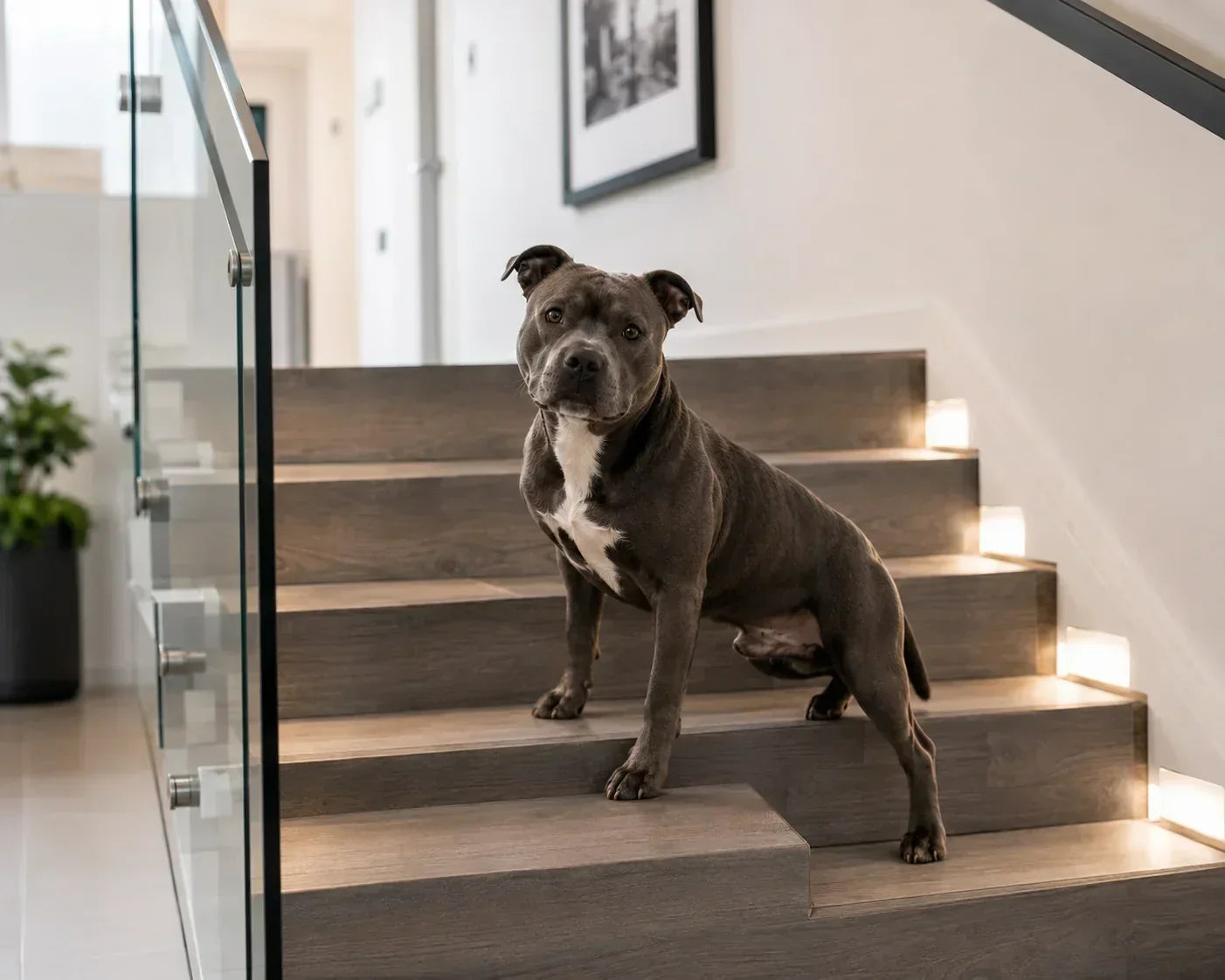
How to Choose the Right Resting Space for Your Dog
A comfortable resting space is one of the most important things you can provide for your dog. Dogs need somewhere they can sleep, relax and feel secure away from busy household activity.
The right bed, crate or kennel can support your dog’s everyday comfort while also helping you keep your home organised. However, every dog is different, so it is important to choose products based on size, age, sleeping habits and individual needs.
1. Consider Your Dog’s Size
Choosing the correct size should always be the first step.
Your dog should be able to lie down comfortably, stretch out and change position without hanging over the sides of the bed.
When selecting a crate, your dog should have enough room to:
-
Stand naturally
-
Sit comfortably
-
Turn around easily
-
Lie down fully
-
Change sleeping position
Measure your dog rather than relying only on general breed recommendations. Dogs of the same breed can vary considerably in height, length and weight.
Remember to check internal measurements as well as external dimensions. Thick cushions and padded sides can reduce the usable sleeping area.
2. Think About How Your Dog Sleeps
Observing your dog’s normal sleeping position can help you choose the most suitable type of bed.
Dogs that curl up may prefer a cosy bed with raised sides. The surrounding edges can provide head support and create a more enclosed resting space.
Dogs that enjoy stretching out may be more comfortable on a larger, flatter mattress-style bed.
Older dogs or dogs with limited mobility may need a bed with a low entrance that is easier to access. Supportive cushioning may also help them settle more comfortably.
During warmer weather, some dogs may prefer an elevated bed that allows more air to circulate underneath.
The best bed is not necessarily the most decorative one. It is the one your dog can enter easily and use comfortably.
3. Choose a Practical Location
Where you place your dog’s bed or crate matters just as much as the product itself.
Choose a location that allows your dog to remain close to the family without being surrounded by constant noise or movement.
A suitable resting area should be:
-
Away from strong draughts
-
Protected from direct heat
-
Away from busy doorways
-
Easy for your dog to access
-
Dry and well ventilated
-
Free from trip hazards
Avoid placing the bed directly beside loud household appliances or in an area where your dog will frequently be disturbed.
Some dogs benefit from having more than one resting place. For example, they may use a bed in the living room during the day and a quieter crate or second bed at night.
4. Decide Whether a Crate Is Suitable
A correctly sized and properly introduced crate can provide a secure resting space at home or during travel.
Crate training should always be gradual and positive. The crate should never be used as punishment.
Begin by leaving the door open and allowing your dog to investigate at their own pace. You can place a comfortable cushion, familiar blanket or treats inside to create positive associations.
Only begin closing the door once your dog is comfortable entering and resting inside.
A crate should provide:
-
Enough room for natural movement
-
Good ventilation
-
Secure doors and fastenings
-
A comfortable sleeping surface
-
Easy access for cleaning
Furniture-style dog crates can provide a practical resting space while blending more naturally with modern home interiors. Always check the internal dimensions, ventilation, door position and manufacturer’s weight limits before buying.
5. Look for Durable, Easy-to-Clean Materials
Dog beds and crates are used every day, so durability and maintenance are important.
Useful features may include:
-
Removable covers
-
Washable cushions
-
Wipe-clean surfaces
-
Water-resistant materials
-
Durable stitching
-
Replaceable inner cushions
-
Raised frames that allow cleaning underneath
Dogs naturally bring hair, dirt and moisture into their sleeping areas. Regular cleaning can help keep the space comfortable and fresh.
Inspect beds, cushions and crate fittings regularly. Replace products that have become badly damaged or are no longer safe to use.
Dogs that chew bedding may require closer supervision and a more durable sleeping solution.
6. Support Older Dogs and Dogs With Limited Mobility
A dog’s needs can change as they grow older.
Senior dogs may become less confident when jumping onto furniture, climbing stairs or stepping over high bed edges. Pet steps or a suitable ramp may make some areas easier to access.
When choosing steps or a ramp, consider:
-
Maximum weight capacity
-
Stability
-
Surface grip
-
Width
-
Step height
-
The height of the furniture or vehicle
-
Available floor space
Introduce new equipment gradually and reward your dog for calm progress.
Never force a dog to use steps or a ramp. Seek veterinary advice if your dog suddenly becomes reluctant to move, jump, climb or stand up.
7. Create an Organised Feeding Area
A comfortable home setup should also include a clean and organised place for food and water.
Place bowls somewhere your dog can eat and drink without being disturbed. Avoid narrow walkways and busy areas where bowls could be knocked over.
A practical feeding area should be:
-
Easy to clean
-
Accessible throughout the day
-
Away from excessive noise
-
Large enough for comfortable movement
-
Free from potential hazards
Feeding stations with storage can help keep food, treats and accessories together while reducing household clutter.
Wash bowls regularly and provide fresh drinking water every day.
8. Plan for Travel and Days Away From Home
Dogs also need safe and comfortable equipment when travelling.
Depending on your dog’s size and needs, this may include:
-
A travel crate
-
A suitable carrier
-
A comfortable travel cushion
-
A pet stroller
-
Portable food and water bowls
-
Towels and blankets
A pet stroller can be useful for older dogs, small dogs or dogs with limited mobility during longer outings. It should not replace appropriate exercise for a healthy dog, but it can provide somewhere secure to rest when needed.
Always check internal dimensions, ventilation, fastenings, brakes and maximum weight capacity before using any travel product.
Introduce your dog to new equipment at home before attempting a long journey.
9. Review Your Dog’s Setup Regularly
The resting space that suits a puppy may no longer be appropriate when the dog reaches adulthood.
Your dog’s needs may also change because of age, weight, health or mobility.
Regularly ask:
-
Is the bed still large enough?
-
Can my dog enter and leave comfortably?
-
Is the cushioning still supportive?
-
Are the covers and surfaces easy to clean?
-
Are any parts damaged?
-
Does my dog still choose to use the space?
-
Have my dog’s sleeping habits changed?
Replacing or adjusting equipment at the right time can help your dog remain comfortable throughout different stages of life.
Final Thoughts
Choosing the right resting space is an important part of creating a comfortable and dog-friendly home.
The best solution will depend on your dog’s size, sleeping style, age and individual preferences. A suitable bed can provide everyday comfort, while a correctly introduced crate can create a secure and familiar retreat.
Practical features such as washable materials, appropriate sizing and easy access are often more important than appearance alone.
At Kingswell Pets, we carefully select dog beds, crates, kennels and practical accessories designed to support comfort, rest, travel and everyday life with dogs.
Explore the Kingswell Pets range and create a space where your dog can feel safe, relaxed and truly at home.


Leave a comment
This site is protected by hCaptcha and the hCaptcha Privacy Policy and Terms of Service apply.